
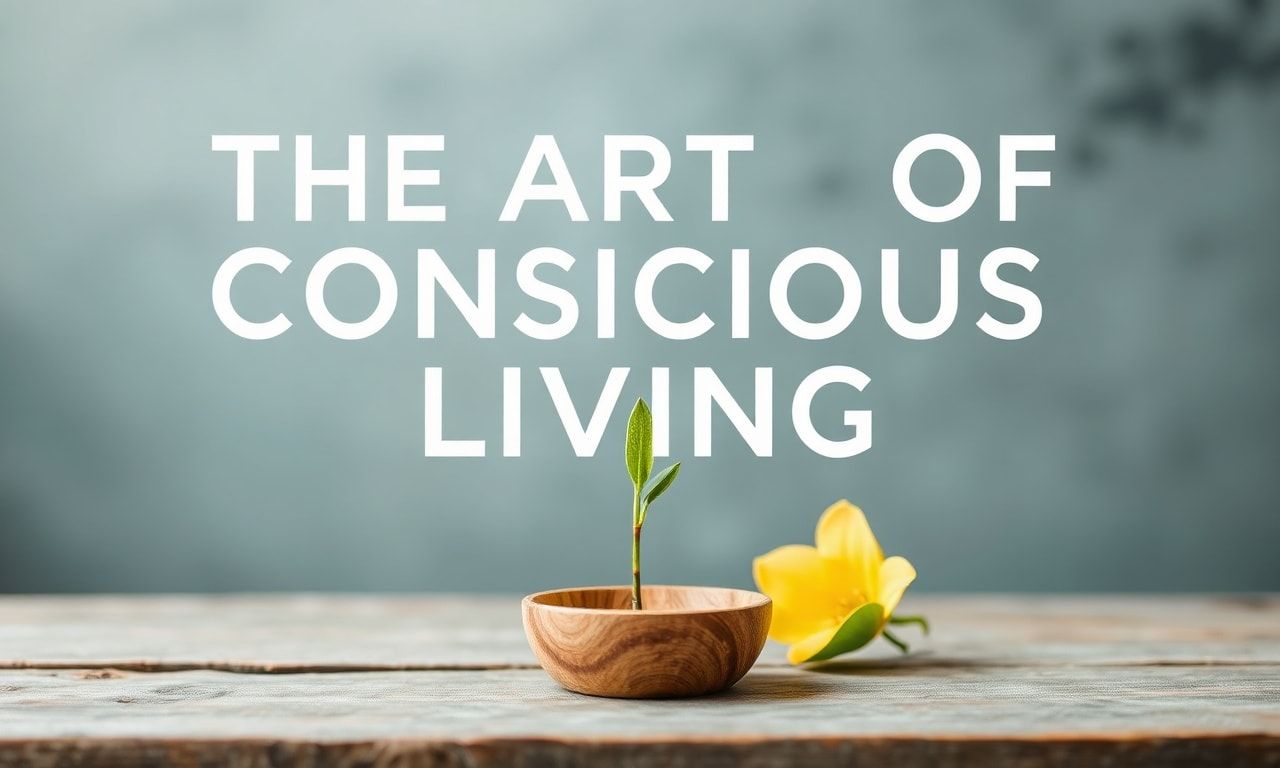
Embracing the Power of the Present
In the fast-paced world we live in, it’s easy to get caught up in the whirlwind of daily tasks and responsibilities. We often find ourselves rushing from one thing to the next, barely taking a moment to breathe, let alone appreciate the present. Mindful living is about slowing down, being intentional, and finding joy in the small moments. It’s a practice that can transform your daily life, enhancing your well-being and relationships.
What is Mindful Living?
Mindful living is the practice of being fully present and engaged in the current moment, acknowledging and accepting your feelings, thoughts, and bodily sensations. It’s about cultivating a heightened state of awareness and paying attention to the here and now. This practice can be applied to various aspects of life, from eating and walking to working and interacting with others.
The Benefits of Mindful Living
Incorporating mindfulness into your daily routine can yield numerous benefits:
- Reduced Stress and Anxiety: Mindfulness helps lower stress levels by encouraging a non-judgmental awareness of your thoughts and feelings.
- Improved Focus and Concentration: By training your mind to stay present, you can enhance your ability to concentrate on tasks.
- Enhanced Emotional Well-being: Mindfulness can help you better manage emotions, leading to improved mental health.
- Better Relationships: Being present and attentive in your interactions can deepen your connections with others.
- Increased Self-Awareness: Mindfulness fosters a deeper understanding of yourself, your behaviors, and your motivations.
Simple Ways to Incorporate Mindfulness into Your Daily Life
You don’t need to set aside hours each day to practice mindfulness. Small, intentional actions can make a big difference. Here are some simple ways to incorporate mindfulness into your daily routine:
1. Mindful Eating
Mindful eating involves paying full attention to your food—from the taste and texture to the act of chewing and swallowing. It’s about savoring each bite and being aware of your body’s hunger and fullness cues. This practice can help you enjoy your meals more and develop a healthier relationship with food.
For instance, you can start by eating chia seeds benefits, which are not only nutritious but also require mindful chewing due to their unique texture. This can enhance your eating experience and make you more aware of the sensory aspects of your meal.
2. Mindful Walking
Mindful walking is about being fully present as you walk, paying attention to the sensations in your body and the environment around you. It’s a great way to combine physical activity with mindfulness. You can practice mindful walking anywhere—whether you’re strolling through a park or walking to your car.
3. Mindful Breathing
Mindful breathing is a simple yet powerful practice that can be done anywhere, at any time. It involves focusing your attention on your breath, noticing the sensation of the air as it enters and leaves your body. This practice can help calm your mind and bring you back to the present moment.
4. Mindful Listening
Mindful listening involves being fully present and attentive when someone is speaking. It’s about listening to understand, rather than to respond. This practice can deepen your connections with others and improve your communication skills.
5. Mindful Journaling
Mindful journaling is about writing down your thoughts, feelings, and experiences in a non-judgmental way. It’s a great way to reflect on your day and gain insights into your emotions and behaviors. You can start with just a few minutes each day, writing about what you’re grateful for or what you noticed during the day.
Creating a Mindful Home Environment
Your home environment can greatly influence your ability to practice mindfulness. Creating a space that promotes calm, relaxation, and focus can make it easier to incorporate mindfulness into your daily life. Here are some tips for creating a mindful home environment:
1. Declutter Your Space
A cluttered space can lead to a cluttered mind. Taking the time to declutter your home can help create a sense of calm and order. It can also make it easier to find what you need and reduce stress.
2. Incorporate Natural Elements
Bringing nature indoors can have a calming effect on the mind. Incorporating plants, natural light, and natural materials like wood and stone can create a soothing environment that promotes mindfulness.
3. Create a Dedicated Space for Mindfulness
Having a dedicated space for mindfulness practices, such as meditation or yoga, can make it easier to incorporate these practices into your daily routine. This space can be as simple as a corner of a room with a comfortable cushion and some calming decor.
Mindful Relationships
Mindfulness can also enhance your relationships. By being fully present and attentive in your interactions with others, you can deepen your connections and improve your communication. Here are some tips for mindful relationships:
1. Practice Active Listening
Active listening involves being fully present and engaged when someone is speaking. It’s about listening to understand, rather than to respond. This practice can help you better understand the other person’s perspective and improve your communication.
2. Be Present in Your Interactions
Being present in your interactions means giving the other person your full attention. It’s about being fully engaged in the conversation and not letting your mind wander. This practice can help you build stronger connections and improve your relationships.
3. Practice Gratitude
Practicing gratitude involves acknowledging and appreciating the good things in your life. It’s about focusing on what you have, rather than what you lack. This practice can help you cultivate a more positive outlook and improve your relationships.
Conclusion
Mindful living is about embracing the power of the present and finding joy in the small moments. It’s a practice that can transform your daily life, enhancing your well-being and relationships. By incorporating mindfulness into your daily routine and creating a mindful home environment, you can cultivate a more fulfilling and meaningful life.
Remember, mindfulness is a journey, not a destination. It’s about taking small, intentional steps each day to be more present and engaged in your life. With practice, you can cultivate a mindset of mindfulness that will serve you well in all aspects of your life.
Ever wondered how your daily habits impact your driving? Our latest feature, diet’s surprising influence on driving, explores this fascinating connection to help you make better choices for both your health and safety.
In our pursuit of a balanced life, understanding how money matters intersect with our overall well-being is crucial; explore this vital connection in finance and holistic living.
Ever wondered how your favorite shows and movies influence your well-being? Discover the fascinating link in pop culture’s impact on health.
If you’re looking to boost your health and wellness, discover why chia seeds are trending in the world of superfoods.
Whether you’re a weekend warrior or simply looking to enhance your daily fitness routine, understanding how nutrition impacts performance can be a game-changer. Dive into elevating your athletic potential to discover how to fuel your body for success.